• Coffee and tea orders before 1pm, delivered  within 1 to 2 working days
  • Free delivery from $250
  • We are happy to help you via 0800 866 061
NZ-sourcing

SOURCING FOR BETTER

Responsibility starts at the source

We identify and address human rights and environmental risks in our green coffee supply chain, working with farmers and partners through Common Grounds to improve responsible sourcing.

Responsible Sourcing: A farmer inclusive approach

Coffee and tea are grown across diverse regions, each with unique farming systems and challenges. Our Responsible Sourcing programme recognises this diversity and supports smallholder farmers and workers through our sourcing strategy and Common Grounds Farmer Programme.
For us, responsible sourcing goes beyond meeting targets. It means understanding the challenges in our sourcing regions, working with farmers and investing in solutions that support continuous progress.

Our progress in responsible sourcing

Responsible sourcing does not mean the absence of human rights violations or supply chain risks. It means working towards continuous improvement and measurable progress for people, nature and climate.
For green coffee, we use a risk-based human rights and environmental due diligence (HREDD) process to identify and address impacts through prevention, mitigation, monitoring, communication and remediation where appropriate. For tea, responsible sourcing is based on third-party validation.
Our progress in 2025:

  • 88.8% of our green coffee met our responsible sourcing definition, aligned with our green coffee HREDD process.
  • 100% of green coffee sold into Europe met our responsible sourcing definition under the previous methodology.
These results do not mean that risks or adverse impacts are absent. Our HREDD process helps us identify, prioritise and address impacts.

Assess, Address, Progress

At JDE Peet’s, responsible action starts with understanding the challenges across our business and supply chains. We take a data-driven, risk-based approach to identify priorities and drive continuous progress towards a better future for coffee and tea.
Our global scale and focus on coffee and tea allow us to invest directly in sourcing regions, supporting measurable progress and long-term resilience for our business, people and the planet.

We assess

We use third-party assessments based on a representative sample of farmers in our sourcing regions to identify key risks and areas for improvement. These cover topics such as child labour, working conditions, climate and nature. We also engage suppliers through self-assessments to better understand their responsible business practices and identify risks and opportunities within farming communities.

We address

We use these insights to address identified gaps through multi-year farmer programmes, typically lasting 3–10 years. Working with farmers, cooperatives, suppliers, NGOs and governments, we support the adoption of improved practices across the priority areas identified through our assessments.

We Process

We measure the impact of our farmer programmes, using insights to learn and improve over time. Recognising that complex social and environmental challenges take time to address, we engage stakeholders in open dialogue and invest in collaborative action to drive progress across our coffee and tea sourcing regions.

Common Grounds Farmer Programme

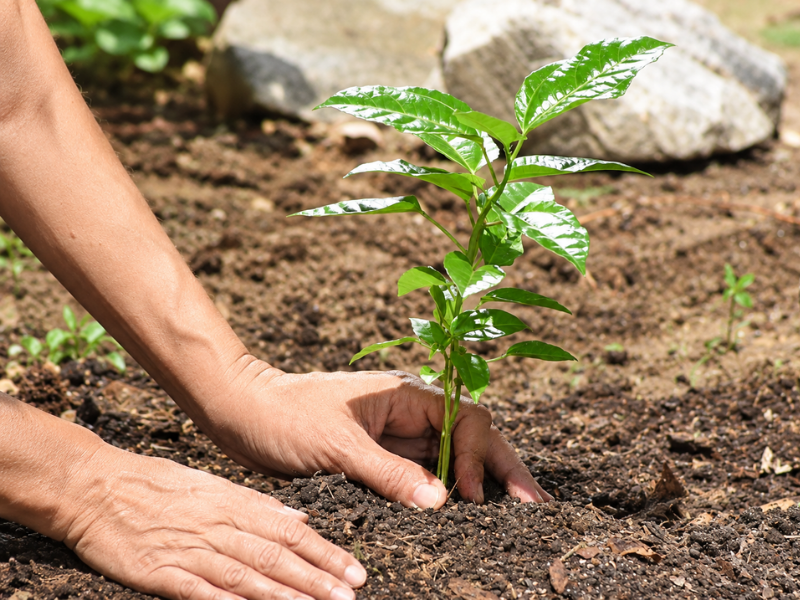
Since 2015, our Common Grounds Farmer Programme has continued to grow through investments and partnerships across key coffee-sourcing regions.
We work with farming communities, suppliers, NGOs and local governments on multi-year projects tailored to local needs. These projects focus on areas such as sustainable and regenerative farming practices, climate-smart agriculture, crop quality, biodiversity, farmer livelihoods and labour practices.
NZ-farmers-programme

Our Responsible Sourcing Principles

Sustainability of land

Regenerative agriculture and responsible land use help address climate change and biodiversity loss.
Climate and natureWe focus on climate change mitigation and adaptation, while working to protect biodiversity, natural forests and ecosystems from conversion and degradation. We also monitor supplier adherence to these principles.
SoilWe support farmers in maintaining and improving soil health through training and appropriate soil testing.
WaterWe help farmers improve water management through efficient wastewater solutions and practices that support water conservation.

NZ-of land

Equality of people

We work to uphold international human rights standards and address challenges affecting children, farmers and workers.
Gender and youth equalityOur partners develop locally relevant and culturally appropriate approaches to expand opportunities for women and young people.
Child labourWe work to address the root causes of child labour and support sustainable solutions.
Working conditionsWe provide training on safe working practices and the appropriate use of protective equipment when applying agrochemicals.

Prosperity of Farmers

We help farmers strengthen their farming practices and build the skills needed to support more viable livelihoods.
Farm managementWe encourage farmer participation and support the adoption of good agricultural practices, alongside business and financial training.
Yield improvementWe provide training in good agricultural practices to help farmers improve yields, support incomes and strengthen livelihoods.
Income diversificationWe support farmers in diversifying their products to make better use of existing land and create additional income opportunities.

NZ-of land

Responsible sourcing progress in 2025

In 2025, we sourced 88.8% of our green coffee in line with HREDD and 99.5% of our tea and 100% of our palm oil met our responsible sourcing requirements.

Our responsible sourcing approach

Coffee
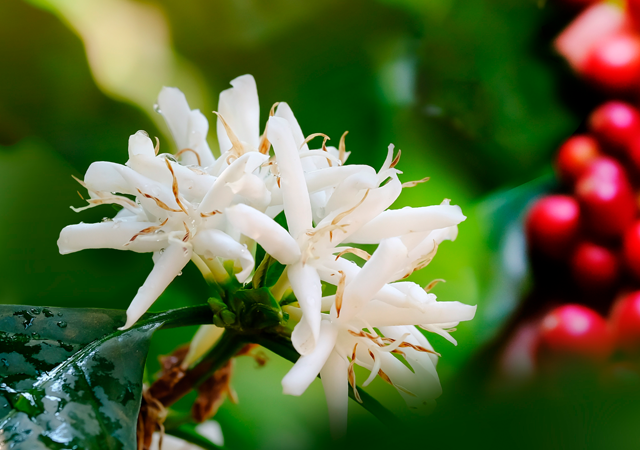
Coffee is our primary raw material, and we source approximately 8% of the world’s green coffee. Millions of smallholder farmers grow coffee in regions facing significant social, economic and environmental challenges. Addressing these challenges requires collaboration and long-term action to support thriving farming communities.
We define responsibly sourced green coffee as volumes that have completed all required human rights and environmental due diligence (HREDD) steps. For full definitions and methodology, see our 2025 Annual Report.
Our Coffee Responsible Sourcing Principles focus on three areas: sustainability of land, equality of people and prosperity of farmers. Through independent country risk assessments and regular supplier self-assessments, we work with suppliers to identify key sustainability challenges and address them in line with our sourcing principles.

NZ-coffee

Tea

Tea (Camellia sinensis) is grown in more than 50 countries by smallholder farmers and larger tea estates. Although we source less than 1% of the world’s tea, we take our responsibility seriously and build long-term partnerships across our supply chain.
Through our Common Grounds Farmer Programme and our longstanding membership of the Ethical Tea Partnership, we support collaborative initiatives in key sourcing regions. These address challenges such as climate change, working conditions, human rights, nutrition and food security.
Our progress in 2025:
  • 100% of the Camellia sinensis and rooibos tea we sourced for Europe and New Zealand was third-party certified.
  • 99.5% of our tea met our responsible sourcing requirements globally.

Palm oil

In 2025, 100% of our palm oil was RSPO-certified under the mass balance supply chain model, which allows certified and non-certified palm oil to be mixed during the supply chain.
Beyond certification, we engage suppliers through our Palm Oil Sourcing Principles and support initiatives to address environmental challenges and improve livelihoods in palm-growing communities in Malaysia and Indonesia through our Common Grounds Farmer Programme.
We also work towards responsible coconut oil sourcing as a member of the Sustainable Coconut Partnership, collaborating on initiatives to advance the coconut sector, including a smallholder programme in the Philippines.

NZ-coffee

Related articles