TOWARDS PLANET POSITIVE
Reducing emissions, water use and waste
Striving towards Net Zero
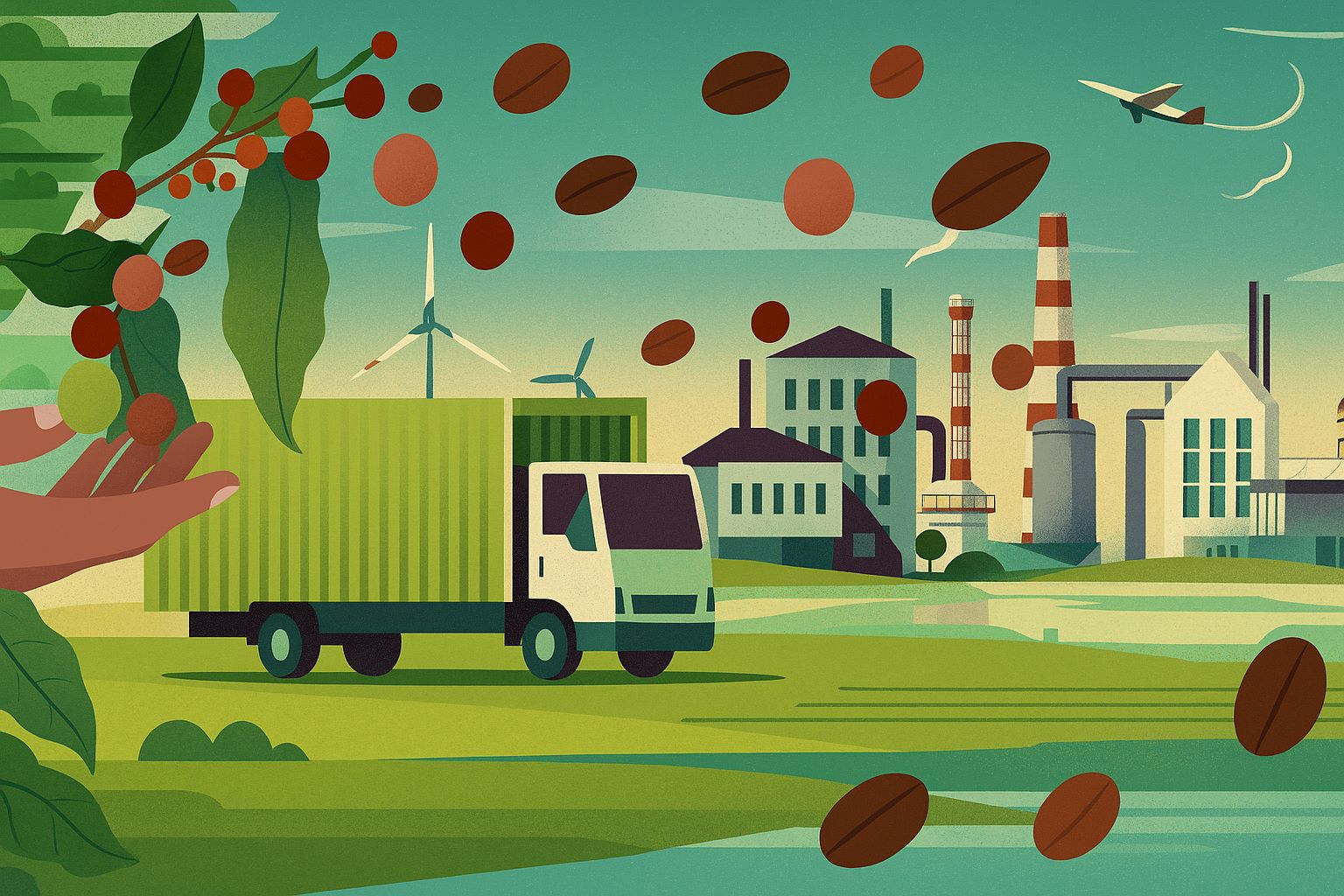
Beyond our own operations, we support farmers in adopting regenerative agricultural practices and work to address deforestation. We believe collaboration across the coffee industry is essential to reducing emissions.
Our targets prioritise absolute emission reductions in line with the Science Based Targets initiative (SBTi), with carbon removals reserved for residual emissions under SBTi Net-Zero criteria. Alongside our SBTi-validated Net-Zero target for 2050, we have three near-term targets validated in 2024, including targets aligned with the Forest, Land and Agriculture (FLAG) Guidance. Together, these targets cover emission reductions across Scopes 1, 2 and 3.

Our climate commitments:

SBTi targets
Scope 1 & 2

Scope 3
- 30.3% reduction in forest, land and agriculture (FLAG) emissions associated with coffee.
- 25% reduction in all other Scope 3, non-FLAG emissions.
*Understanding greenhouse gas emissions
- Scope 1: Direct emissions from activities we control, such as on-site fuel combustion and company vehicles.
- Scope 2: Indirect emissions from the electricity we purchase and use in our operations.
- Scope 3: Other indirect emissions across our value chain, such as those associated with growing coffee, packaging products and transporting them.
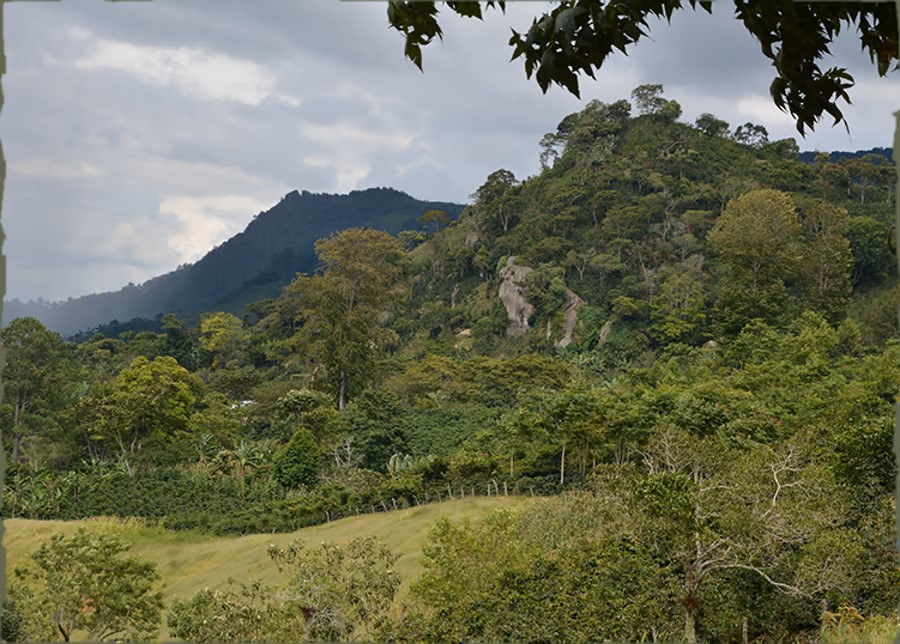
Our Commitment to Deforestation-Free Supply Chains
While we’ve made progress, we haven’t yet achieved full coverage across all four commodities. We continue working towards deforestation-free supply chains as part of our broader climate ambitions, including our SBTi-validated Net Zero target for 2050.
Why Forests Matter
Our 2025 calculations, aligned with the Greenhouse Gas Protocol, show that historical land-use change accounts for approximately 11% of our carbon footprint. Preventing further forest loss helps reduce this contribution over time under GHG accounting rules.
Tackling deforestation risks
Our holistic approach
Our Forest Policy
Optimising our resource use
Our Research and Development team explores new solutions, including tea bags and coffee pads certified to EN 13432 for industrial composting in Europe. As industrial composting facilities aren’t available everywhere, please check local disposal guidance.
We’re also reviewing our product portfolio to reduce packaging weight and waste, while improving water efficiency and reducing manufacturing waste without compromising product quality or safety.
By 2030, we aim to halve our total waste compared with 2020 and keep the share of waste sent to landfill below 1% across all our manufacturing sites.
Our commitments

Packaging
For details, see our 2025 Annual Report and Accounting Policies.
Waste to landfill

Water usage
Related articles

SOURCING FOR BETTER